Two in Five: What New Research on African Migrants' Mental Health Actually Tells Us
A recent landmark study highlights the depth of psychological distress in our community, and why building our own trusted paths to healing is urgent.
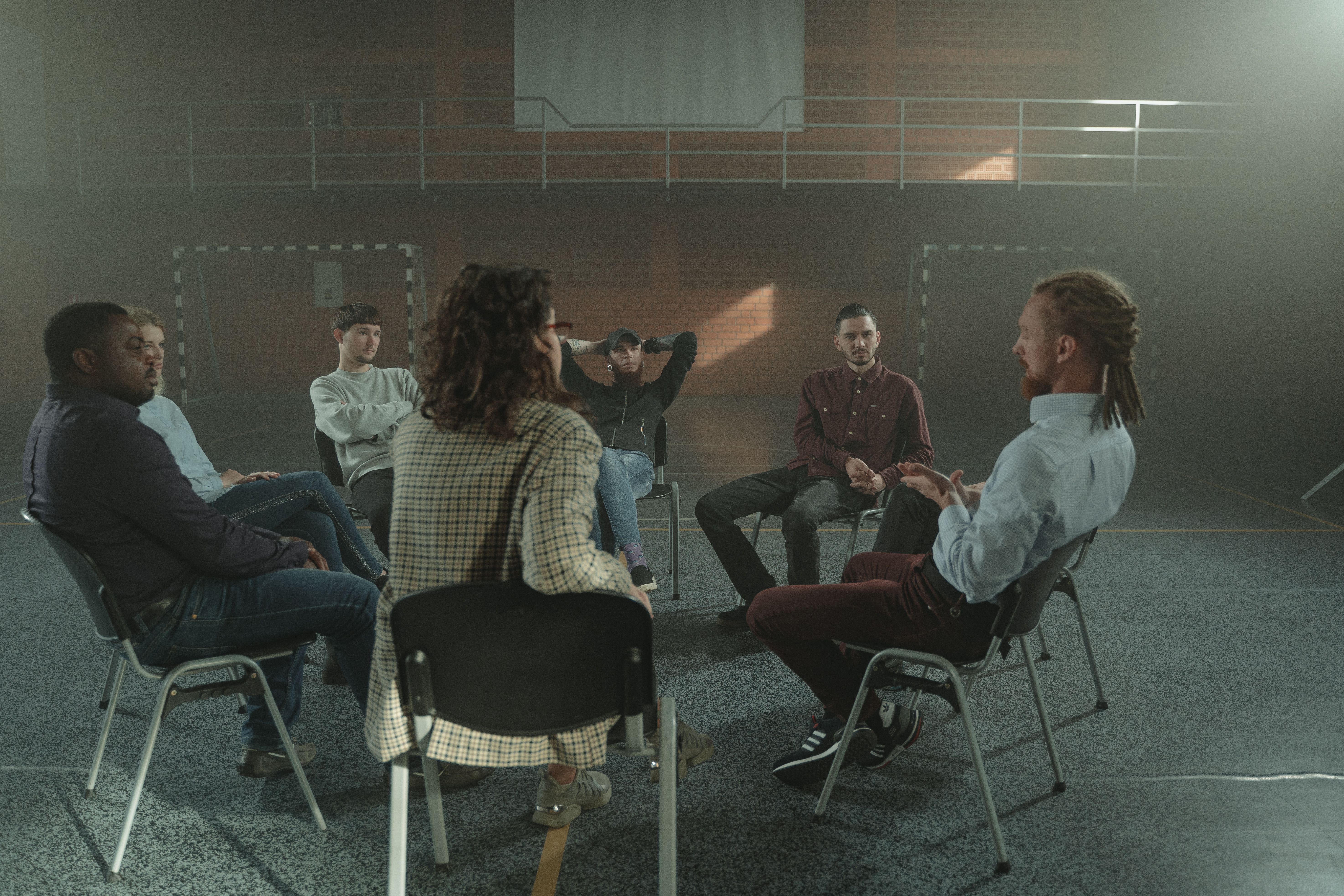
A landmark cross-sectional study published in BMC Psychiatry by researchers from Edith Cowan University and Western Sydney University has brought a critical reality to light. The data confirms what many within the African diaspora in Australia have known qualitatively for years: a significant proportion of our community, roughly two in five individuals, is navigating high levels of depression and deep psychological distress.
While it can be uncomfortable to look directly at these numbers, they matter because they validate our lived experiences. They prove that the challenges we face are real, structural, and collective, not personal failures. But more importantly, the research highlights a deeper gap: the massive disconnect between the mental health support our community needs and the places we actually go to find it.
Behind the numbers: the barriers to seeking help
The study does not just outline the distress; it uncovers why so many of us navigate these heavy burdens in silence. When first-generation African migrants experience mental health challenges, the traditional western healthcare pathways often feel cold, clinical, and unfamiliar.
Instead, the research notes that many in our community naturally turn to religious figures, faith leaders, or immediate family members long before they would ever consider stepping into a clinical office. There are deeply rooted reasons for this:
- In many of our heritages, naming mental health struggles is deeply misunderstood, often mischaracterised as a lack of faith, weakness, or a source of family shame.
- The high cost of accessing private psychological care in Australia remains an immense hurdle, especially amid a compounding cost-of-living crisis.
- Trusting a system that does not understand your migration journey, your faith, or the nuances of racial trauma is a massive leap that many are understandably hesitant to take.
When you combine the fear of being misunderstood with the high cost of care, it becomes clear why so many people choose to carry the weight alone.
Reimagining what healing looks like
If the research tells us that our community turns to faith, culture, and trusted circles first, then the solution is not to force our people into clinical boxes that do not fit. The solution is to change the shape of the support available.
Culturally responsive wellbeing means creating spaces where you do not have to leave your identity, your faith, or your community at the door just to get support. It means recognising that for the African and Black diaspora, healing happens best when it is relational, communal, and grounded in a shared understanding of our unique realities.
We do not need to choose between our cultural values and our mental health. We can weave them together, building community support that fits right here in the diaspora.
Where we go from here
These statistics are a call to action for all of us, not to panic, but to look out for one another with greater intention. We need to normalise the conversation around our dinner tables, in our churches, our mosques, and our community halls.
If you recognise yourself or someone you love in these numbers, please know that reaching out does not make you less resilient. It makes you human.
That is part of why Bridging Wellbeing exists. MENtality creates space for Black men across Australia to have honest conversations about identity, pressure, and what it means to be well, without having to explain their context first. THOR brings culturally grounded group wellbeing to youth and diverse communities in South Australia through partner services.
If either of those spaces sounds like what you need right now, you can explore our programs or see upcoming MENtality webinars.
Who is one person in your circle you can check in with this week?
The Tea content is for informational and community discussion purposes only. Bridging Wellbeing does not provide clinical advice, diagnosis, or treatment.