Faith, Culture, and Mental Health: Can They Actually Work Together?
Exploring how faith and cultural practices can protect wellbeing in African and Black communities across Australia, and why culturally responsive support matters.
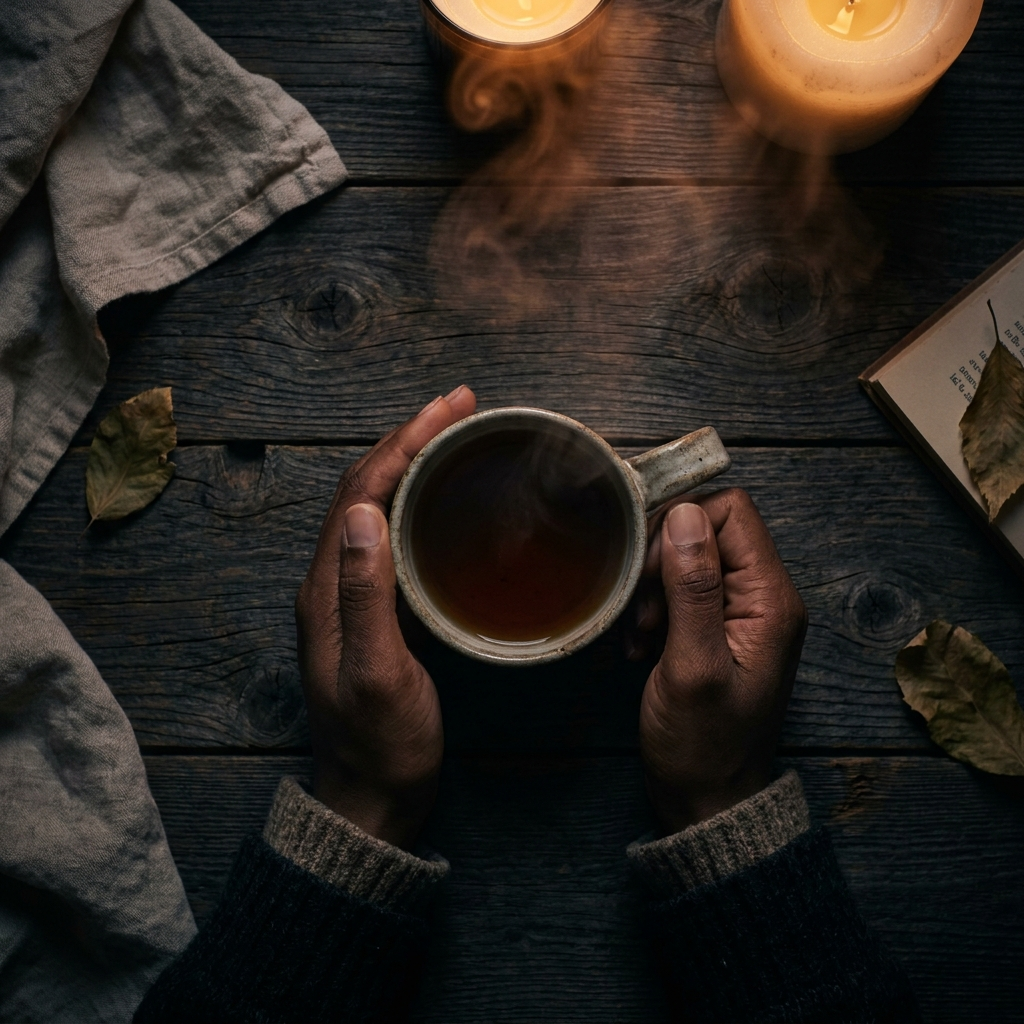
Pull up a chair, family. Let's pour some tea and talk about something we usually leave behind closed doors, or only speak about in hushed whispers after Sunday service or Friday prayers.
Lately, there's been a lot of noise around us. If you've been tuning into the news here in Australia, you've probably noticed a massive, overdue shift. The government recently poured millions into the African Australian Communities Program, explicitly targeting mental health and youth wellbeing. Academic studies from Western Sydney to Melbourne are finally pointing out what we've known all along: navigating life as part of the diaspora comes with a heavy, unique load.
Yet, when the pressure mounts and the walls feel like they're closing in, where do most of us actually turn?
For a long time, mainstream spaces have offered us a one-size-fits-all solution: book an appointment, sit in a sterile clinic, and unpack your soul to a stranger who might not understand why family obligations feel like oxygen, or how deeply a prayer can anchor a storm. When mainstream mental health services feel alienating, it's completely natural to retreat. But too often, that retreat turns into suffering in silence because we've been told we have to choose between our faith, our cultural pride, and our mental wellbeing.
We are told that seeking professional support means we lack faith. Or, on the flip side, we are told by Western spaces that our cultural rituals, community gatherings, and spiritual practices are just "superstitions" that get in the way of healing.
But let's be honest with ourselves: why do they have to be at war?
Our culture and our spirituality aren't obstacles to healing - they are our superpowers. Think about the global Mind Health insights showing that young people who maintain deep spiritual connections and tight-knit family bonds consistently show incredible emotional resilience. For us, culturally responsive wellbeing isn't a buzzword; it's the way our ancestors survived. Our faith tells us we are never truly alone. Our culture reminds us that we belong to a collective - that "I am because we are."
So, how do we make them work together? We bridge them.
Turning Culture and Faith into Our Shield
Healing doesn't mean discarding who we are; it means expanding our toolkit. We can use our cultural roots as protective factors while opening up to new ways of coping:
- Prayer and Therapy are Allies, Not Enemies: You can pray for peace on Sunday and speak to a culturally safe counselor on Monday. Seeking support doesn't mean your faith is weak; it means you are using every tool available to take care of the temple you've been given.
- Redefining the "Strong Black" Narrative: Especially for Black men mental health in Australia is heavily impacted by the pressure to carry everything without cracking. True strength isn't burying the pain until it breaks us; true strength is having the courage to say to a brother, "Man, I'm struggling."
- Healing in Community: Our elders always healed in circles, through storytelling, food, and shared burdens. We can recreate those safe spaces today, blending old wisdom with modern emotional tools.
Moving Forward Together
We don't have to leave our identity at the door to find peace of mind. True African wellbeing in Australia means bringing our whole selves - our faith, our culture, our loud family gatherings, and our deep spiritual roots - into the light. We have survived transitions across oceans and continents; we are entirely capable of rewriting the narrative around our inner health.
Let's start treating our minds with the same reverence we give our spirits. You don't have to carry the heavy lifting alone.
Pour into yourself: Ready to find a space where your identity is celebrated, not translated? Explore our MENtality and THOR Reset programs, designed by us, for us. Or simply subscribe to our newsletter to stay connected with a community that truly gets it.
The Tea content is for informational and community discussion purposes only. Bridging Wellbeing does not provide clinical advice, diagnosis, or treatment.